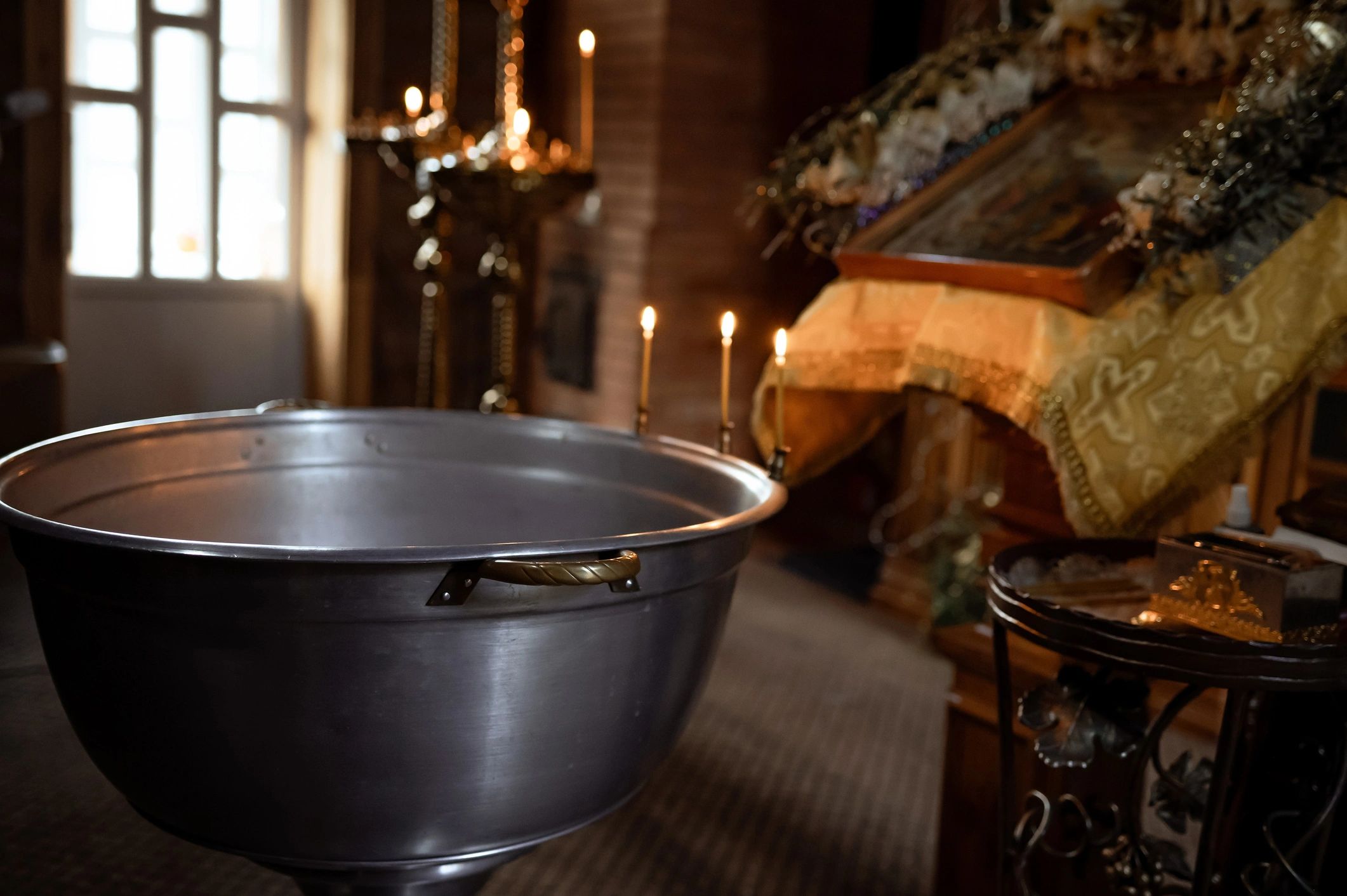
Liturgy
The Divine Liturgy
A gentle guide to the Church’s central act of worship—offering, thanksgiving, and communion in Christ.
What is the Divine Liturgy?
The Divine Liturgy is the Eucharistic service of the Eastern Orthodox Church. It is where the faithful gather to hear the Scriptures, pray together, and receive the Holy Gifts—becoming one Body in Christ through the grace of the Holy Spirit.
A simple overview
How the Liturgy unfolds
While local customs vary, the Divine Liturgy follows a clear spiritual movement—from preparation, to proclamation, to offering, to communion.
Proskomedia (Preparation)
The bread and wine are prepared in prayer, commemorating Christ, the Theotokos, the saints, and the living and departed.
Liturgy of the Catechumens
We hear the Epistle and Gospel, respond with hymns and litanies, and receive instruction as the Church proclaims the Word.
Liturgy of the Faithful
The Great Entrance, the Creed, and the Anaphora lead us into thanksgiving and the consecration of the Holy Gifts.
Holy Communion & Dismissal
The faithful receive the Body and Blood of Christ, then are sent forth to live the Gospel in daily life.
Prepare your heart
Coming to the Chalice
The Church invites us to approach Holy Communion with repentance, faith, and love—seeking healing, forgiveness, and union with Christ.
If you’re preparing to receive, consider reading the prayers beforehand and arriving early for quiet recollection. If you’re not receiving, you can still participate fully through prayer, listening, and reverence.
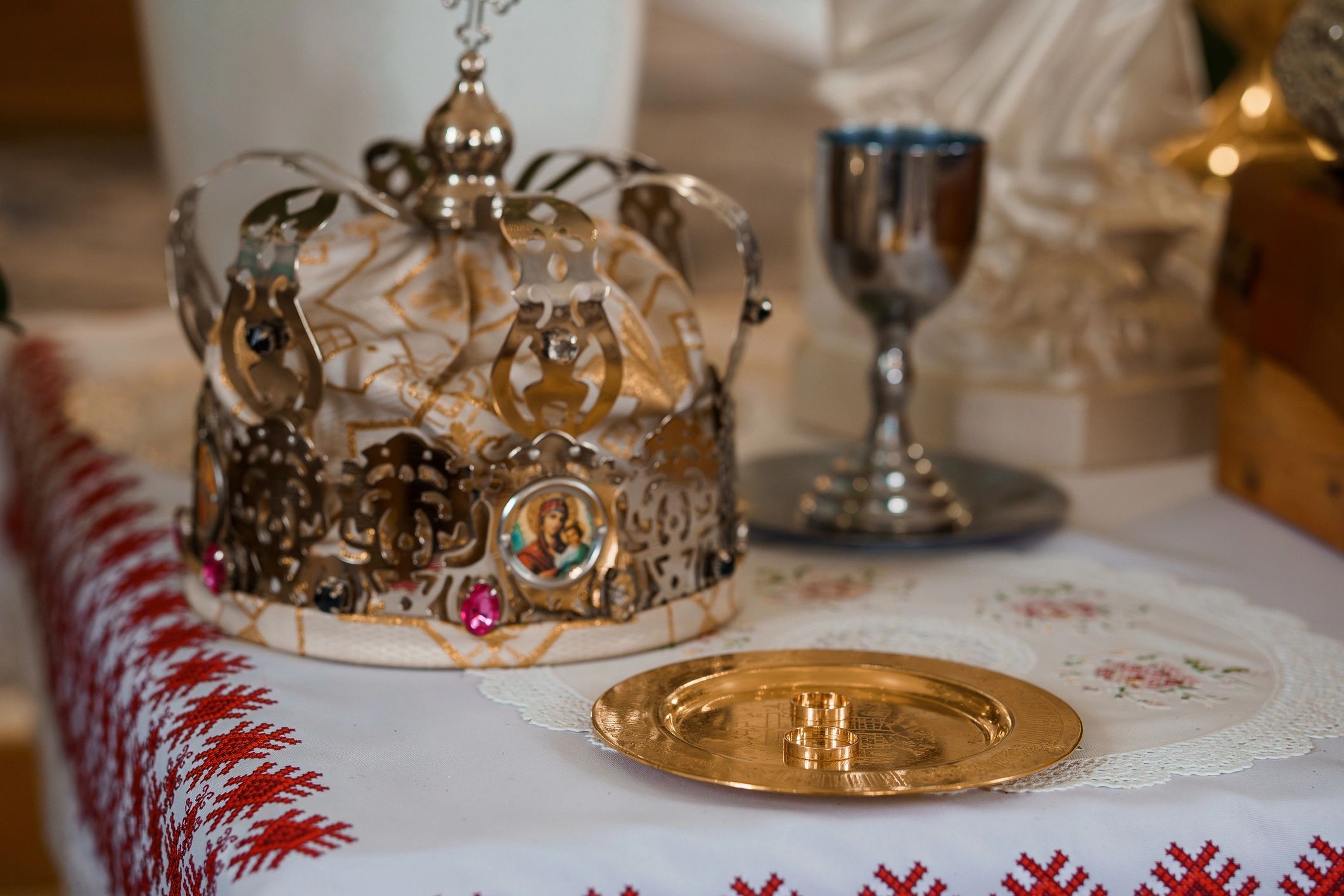
Common questions
A few gentle clarifications for inquirers, catechumens, and anyone learning Orthodox worship.
Which Divine Liturgy is most common?
Most Sundays and feast days use the Divine Liturgy of St. John Chrysostom. Several times a year (especially in Great Lent) the Church serves the Divine Liturgy of St. Basil the Great.
Do I need to “follow along” in a book?
Not necessarily. Many people simply listen and pray. If you’re new, a service book can help you learn the flow over time—especially the litanies, hymns, and Scripture readings.
What should I do if I’m not Orthodox or not receiving Communion?
You are welcome to attend and pray. When the faithful commune, you may remain in your place, come forward for a blessing if that is the local custom, and speak with the priest afterward if you have questions.
Why are there so many litanies?
The litanies teach us to pray for the whole world—peace, the Church, the suffering, the departed—so that our worship becomes intercession and love.
How long does the Divine Liturgy last?
Often about 60–90 minutes, depending on the parish, feast day, and local practice.
What should I wear and how should I prepare?
Dress modestly and comfortably. Arrive a little early, venerate icons if you wish, and keep a prayerful attention. If you are Orthodox and preparing to commune, follow your parish’s guidance for fasting and confession.